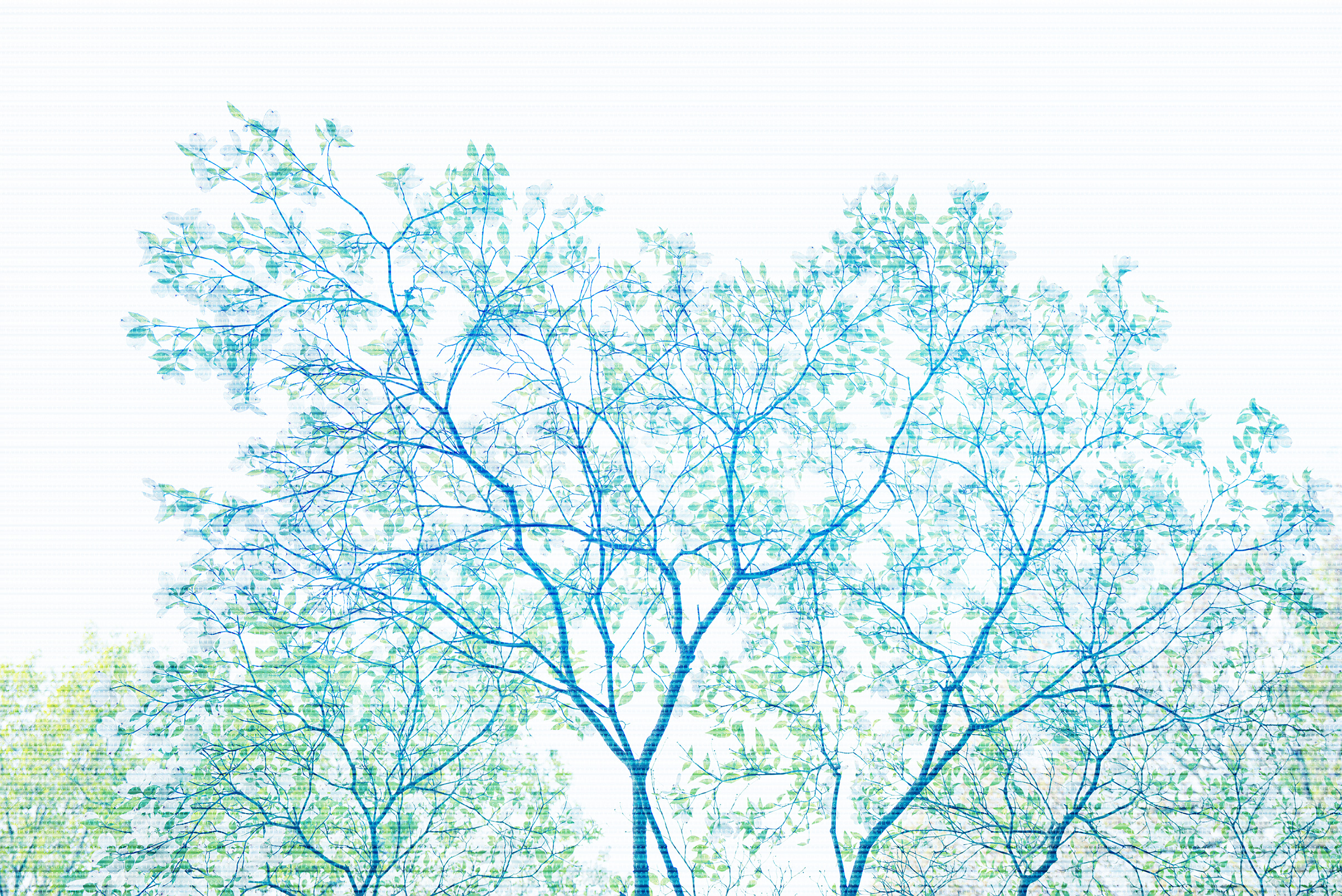
The Anthropocene is a widely used term by scientists and lay people to describe the current era of human impact on the planet. ‘Anthro’ is the Greek word for human and ‘cene’ means new.
There are several areas that comprise the Anthropocene such as land use (e.g. human-made material now exceeds the natural biomass), climate change, biodiversity loss and extinctions (e.g. wildlife populations are down by over 70% in the past 50 years), pollution, geologic changes (e.g. around 350,000 artificial materials introduced such as plastics, concrete, aluminum and nuclear byproducts), increased urbanization, agricultural impacts, and resource extraction (mining).
The Anthropocene also encompasses the Sixth Extinction since extinctions are now occurring 1,000–10,000 faster than natural rates. Many scientists believe the Sixth Extinction has already begun.
While these large-scale impacts have changed the planet visibly, my recent work is also inspired by a less visible process called epigenetics whereby human impact is changing how genes express themselves, affecting how plants behave, grow and evolve i.e. every plant, leaf, field and flower is now different on a cellular level. As Bill McKibben describes in his book “The End of Nature” the wilderness is no longer wild.
The images in the series Floracene and Clouds are inspired by the Anthropocene i.e. a natural world under siege – a silent witness to humanity’s exploitation and carelessness, none the less an untamed feral nature, still able to amaze and persevere.