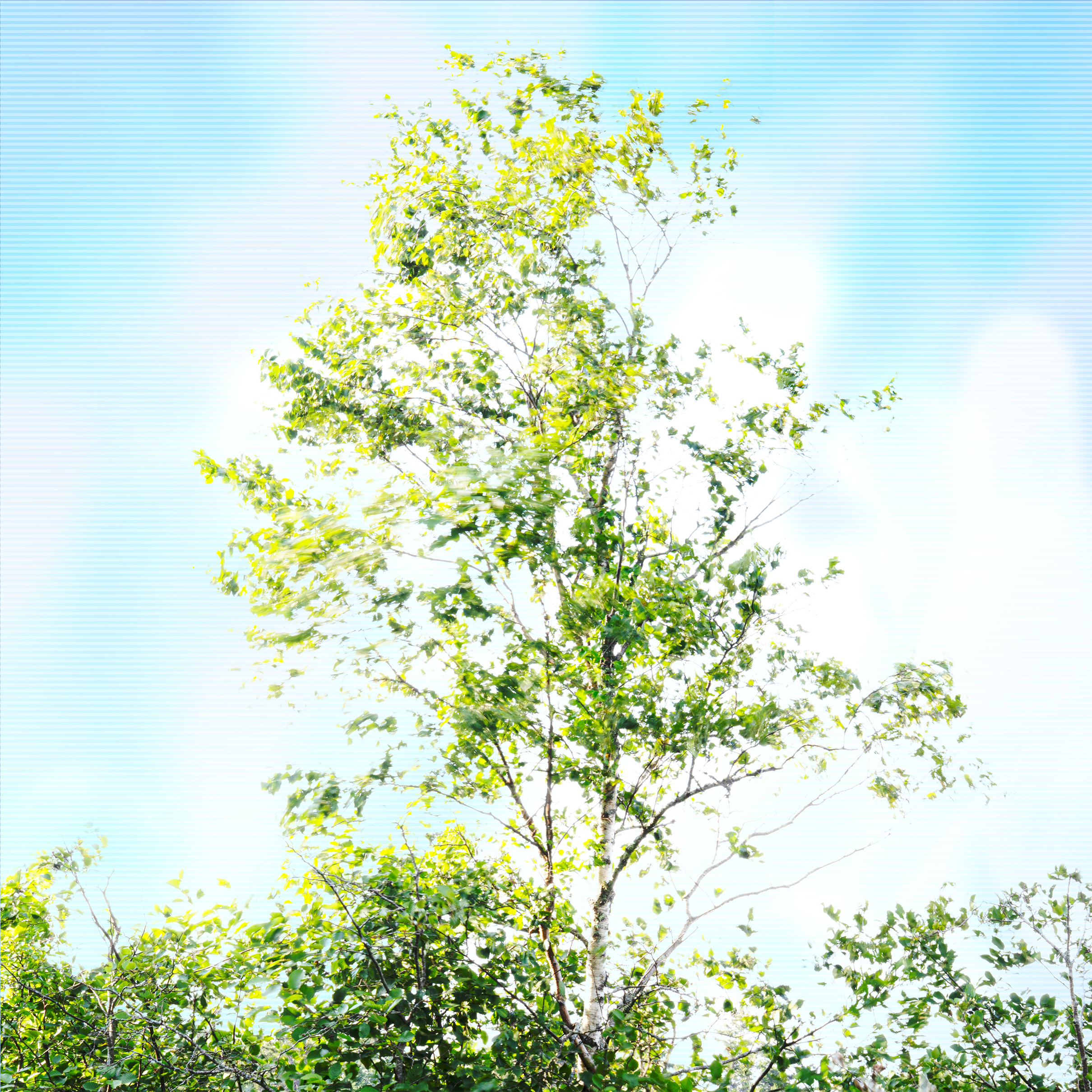
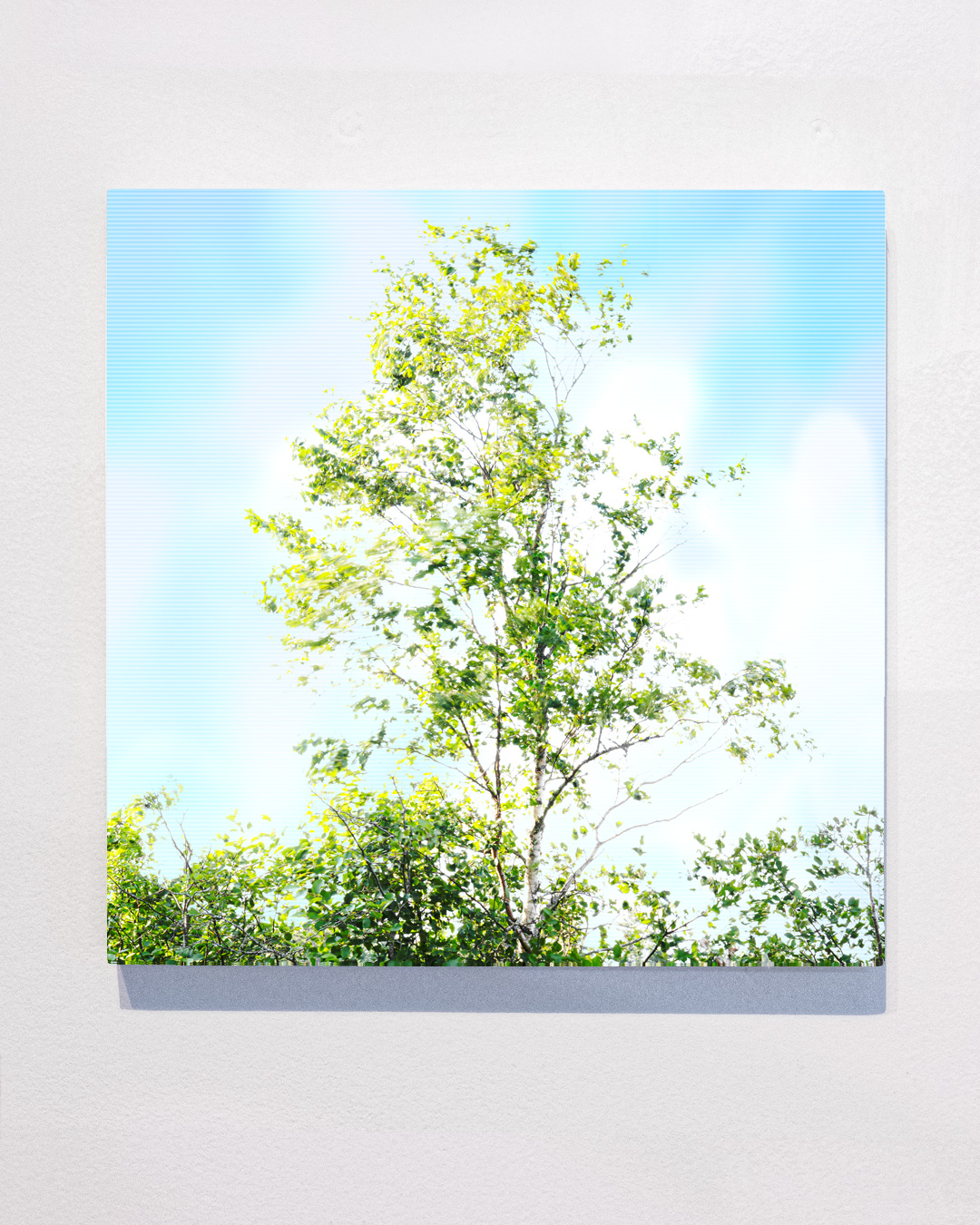

Paper Birch I
2026, Limited Edition
ABOUT
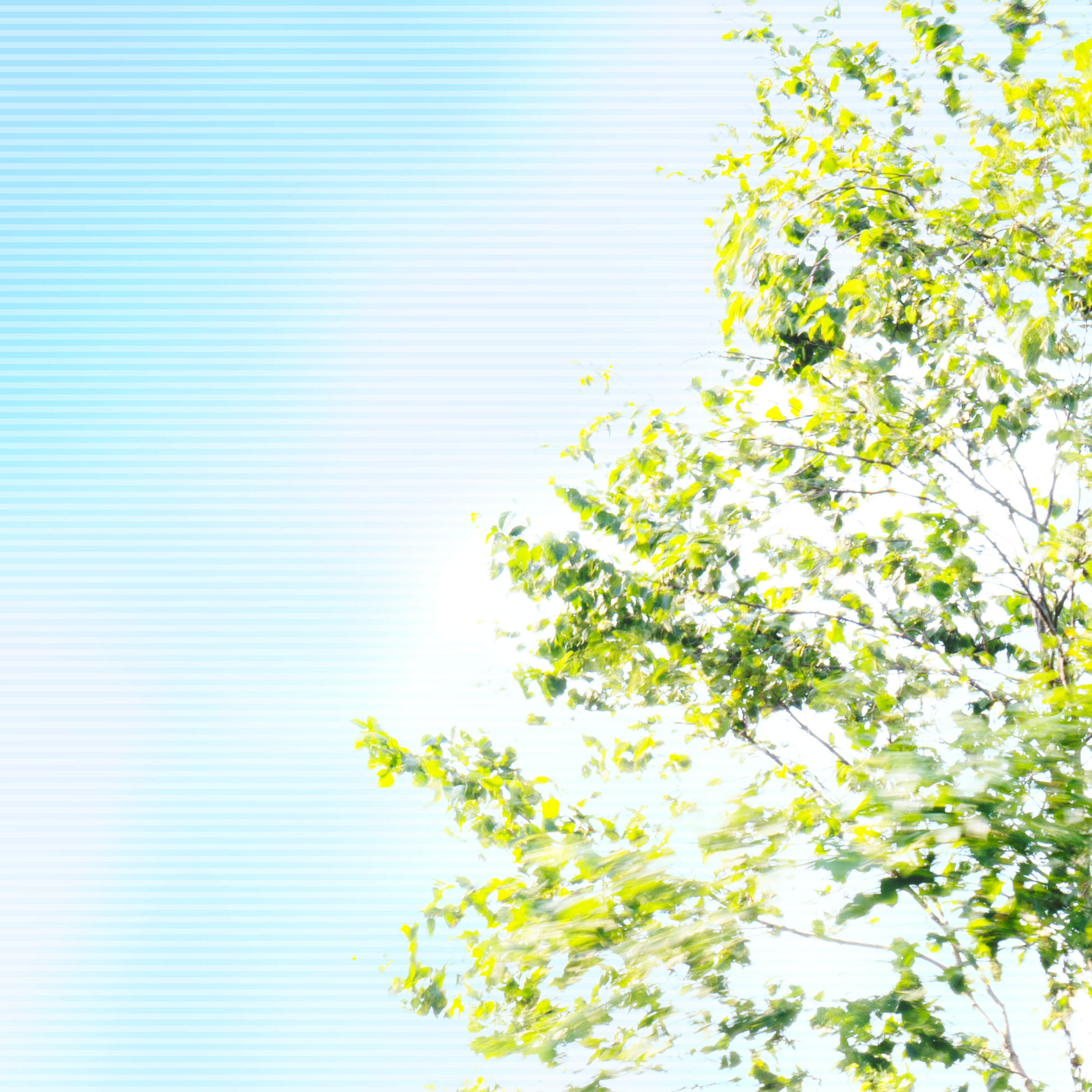
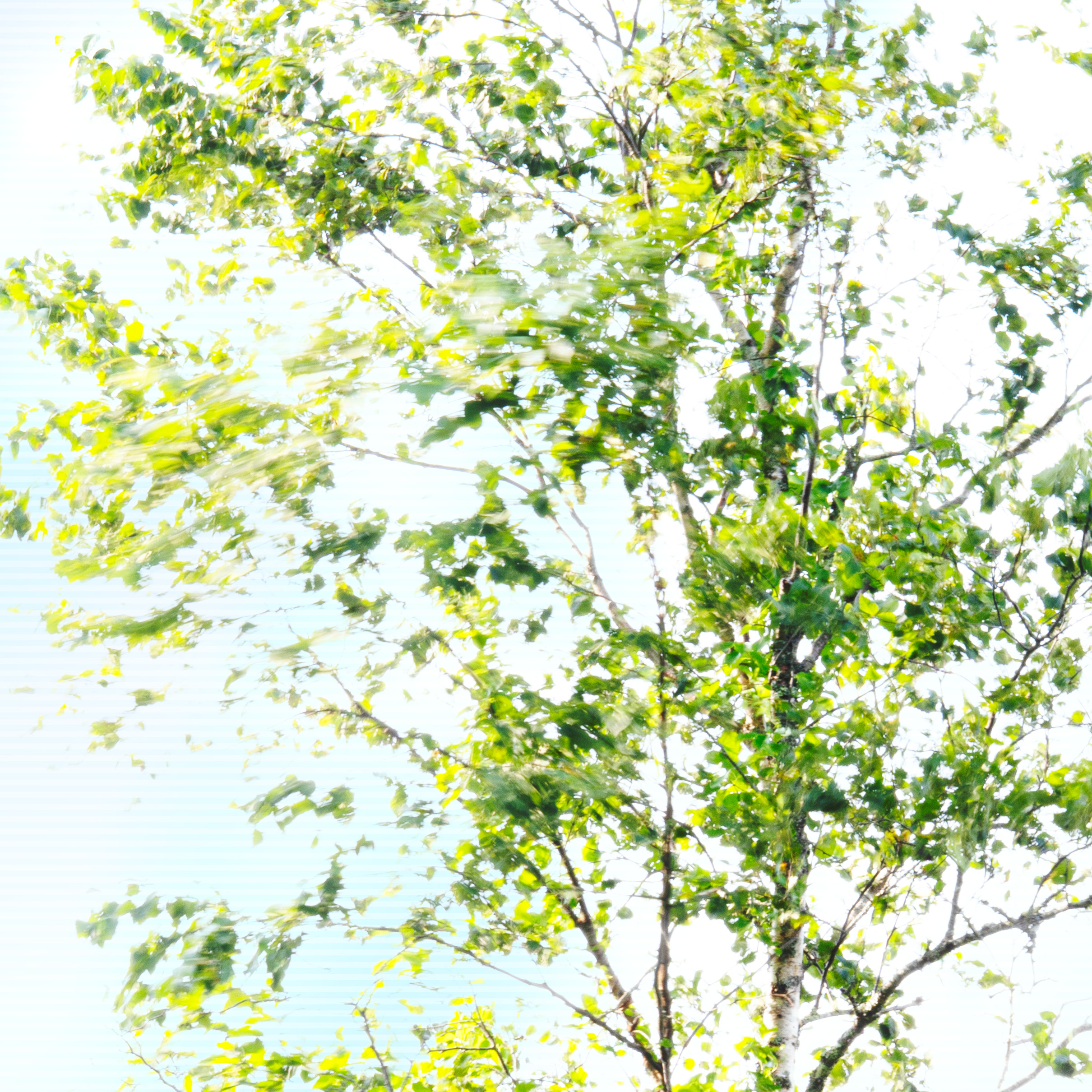
An assemblage of graphics and photographs, part of an ongoing body of work inspired by the Anthropocene. Exhibited at the Double Door Gallery, Islesboro, Maine 2026.
A paper birch tree supports hundreds of species, providing an ecosystem from its high canopy down to the soil. It’s considered one of the most beneficial trees in North America due to its fast growth, sweet sap, and ability to improve soil chemistry that helps other vegetation grow. The sap is sweet, not as sweet as maple but a popular drink in Northern Europe, Russia and China. Yellow-bellied sapsuckers drill uniform holes to drink the sweet sap. In winter, paper birches convert starches into fats and oils serving as antifreeze for the trees to survive temperatures as low as -40 degrees. The bark contains a highly waterproof resin called Betulin that is resistant to rot and decay, making it a favored material for canoes.
Paper birches are considered pioneer trees, being the first to colonize open fields. They are effective carbon capture sinks and soil healers stopping erosion and transforming soil for other plants to grow. In the winter they drop millions of seeds that birds, mice and voles live off of as well as the bark and branches are food for deer, beavers and other mammals.
Maine islands are refugia zone for trees like this since the climate is cooler than the mainland. It’s anticipated birch population on Maine islands will decline by 20 – 30% by 2100 while most of the US will see near total extinction except for small pockets of northern New England as the trees move north to cooler climates.
This work explores contemporary perceptions of trees and the role they play in the Anthropocene.